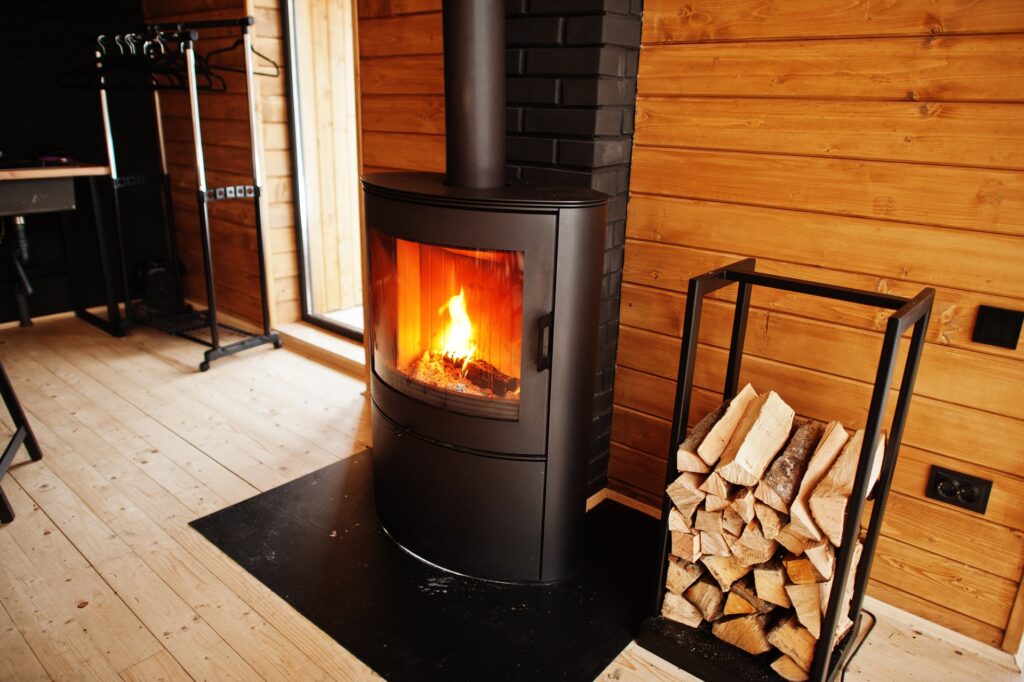
What Is a WETT Inspection and Why Is It Important?
A WETT inspection is a thorough evaluation of wood-burning appliances, such as stoves and fireplaces, to ensure they meet safety and regulatory standards. It checks for proper installation, venting, and overall function, preventing fire hazards and carbon monoxide risks. This inspection is crucial for home insurance compliance and helps maintain the safety and efficiency of your heating system.
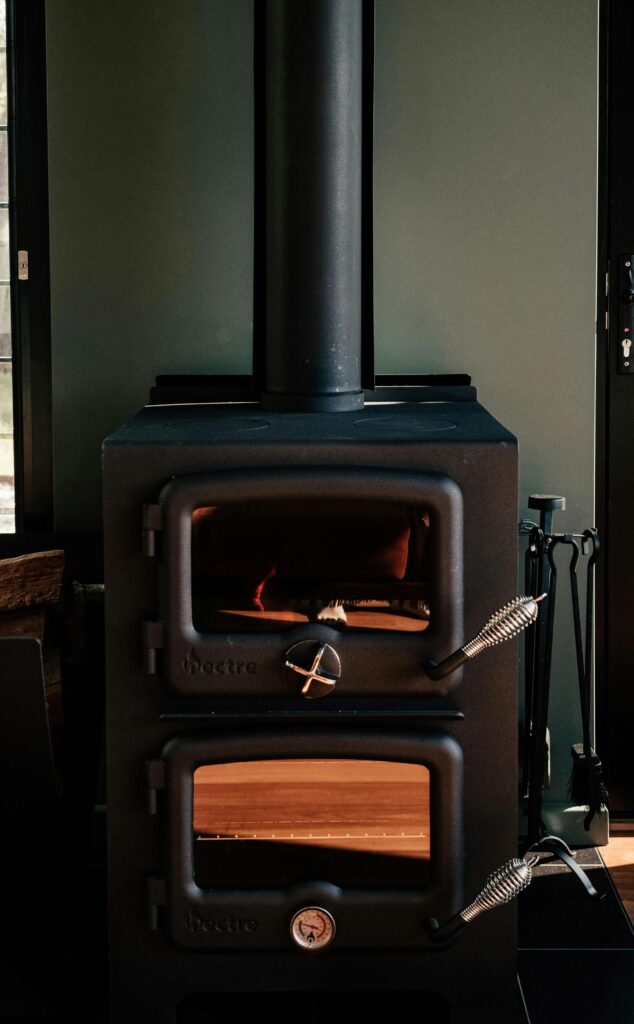
Common Issues Found During WETT Inspections
WETT inspections help identify potential safety hazards or compliance issues with wood-burning appliances. Here are some common problems that may be discovered during the inspection:
- Creosote Buildup Over time, creosote can accumulate in the chimney or flue, increasing the risk of chimney fires and reducing the stove's efficiency.
- Improper Ventilation Blocked or improperly installed vents can restrict airflow, leading to inefficient burning, excessive smoke, and potentially dangerous carbon monoxide buildup.
- Damaged Chimney or Flue Cracks or blockages in the chimney or flue can lead to smoke or gases entering the living space, posing serious health and fire risks.
- Insufficient Clearances If the wood stove is too close to combustible materials, it can create a fire hazard. Proper clearances are essential to ensure safe operation.
- Faulty or Missing Components Damaged seals, gaskets, or other parts can lead to air leaks, decreasing efficiency and potentially allowing harmful gases like carbon monoxide to escape into the home.
- Improperly Sized or Poorly Installed Stove A stove that is too large or too small for the space, or one that has been installed incorrectly, can lead to poor performance and safety issues.
- Outdated or Unapproved Appliances Older wood stoves or appliances that do not meet current safety standards may need to be upgraded or replaced to ensure safe and efficient operation.
What to Expect During a WETT Inspection
A WETT (Wood Energy Technology Transfer) inspection is a comprehensive check of your wood-burning appliance, ensuring it meets safety and regulatory standards. Here’s what you can expect during the process:
Visual Inspection
The inspector will examine the stove, fireplace, chimney, and venting systems for visible damage, wear, or installation issues that could pose safety risks.
Clearance and Safety Check
The required clearances between the stove and combustible materials will be measured to ensure they meet safety standards, reducing the risk of fire hazards.
Ventilation and Flue Inspection
The flue and venting systems will be checked for blockages, leaks, or improper installation, ensuring efficient and safe exhaust of gases.
Chimney and Smoke Stack Assessment
The chimney will be inspected for cracks, creosote buildup, and other potential hazards that could cause chimney fires or carbon monoxide leaks.
Operational Test
The inspector will perform tests to ensure your appliance is functioning properly, with good airflow and efficient burning to minimize smoke and fuel waste.
Report and Recommendations
After the inspection, you’ll receive a detailed report on the appliance’s condition, any issues found, and necessary recommendations for repairs or adjustments to meet safety codes.
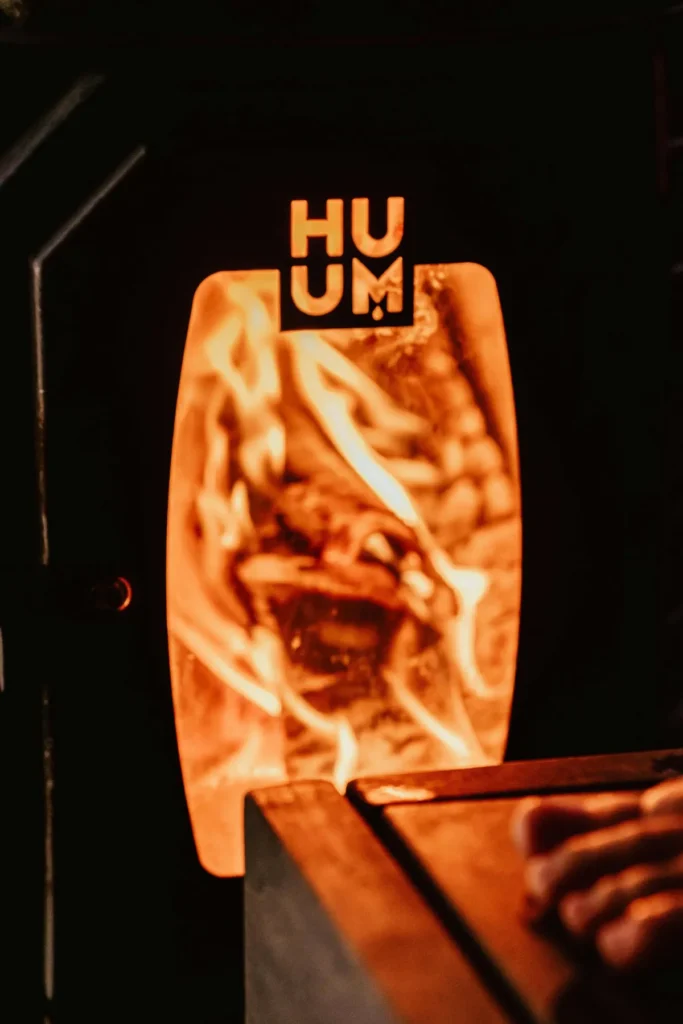
When Do You Need a WETT Inspection?
A WETT inspection is essential at various points in the life of a wood-burning appliance. Here’s when you should consider scheduling one:
- Before installing a new wood stove or fireplace to ensure the installation meets safety and code standards.
- When buying or selling a home with a wood-burning appliance to confirm the appliance meets safety and insurance requirements.
- After a chimney fire or damage to the stove or chimney to check for hidden damage or structural issues that could compromise safety.
- If your insurance company requests an inspection as some insurers require a WETT inspection to ensure compliance before covering your property.
- When experiencing operational issues with your appliance to inspect for potential problems affecting performance or safety.
- Annually, as part of regular maintenance to maintain optimal safety, performance, and compliance with evolving codes.
Frequently Asked Questions
What specific parts of my wood stove will be inspected during a WETT inspection?
A WETT inspection covers all key components of your wood stove, including the stove itself, chimney, flue, venting system, clearances from combustibles, and any additional safety features like smoke detectors or carbon monoxide alarms. The inspector ensures everything is functioning properly and meets safety standards.
Do I need to clean my wood stove before a WETT inspection?
While it’s not required to thoroughly clean your wood stove, it’s helpful to remove ashes and ensure the appliance is accessible. This allows the inspector to easily assess the stove and chimney for creosote buildup or other issues without obstruction, leading to a more efficient inspection.
How do I know if my wood stove is compliant with current codes?
During a WETT inspection, the inspector will evaluate your stove’s installation and operation against the latest building and safety codes. If your stove or installation is outdated or non-compliant, the inspector will provide recommendations to bring it up to standard.
What happens if my wood stove doesn’t pass the WETT inspection?
If your wood stove fails the WETT inspection, the inspector will identify any issues, such as unsafe installation, damaged components, or lack of proper venting. You will receive a detailed report with recommendations on how to fix these issues to ensure the stove is safe and compliant.
Is a WETT inspection required for all wood stoves?
A WETT inspection is recommended for all wood-burning appliances, especially if you’re buying or selling a home, installing a new stove, or if it’s been a while since your last inspection. Many insurance companies also require a WETT inspection to ensure the stove meets safety standards.
How long does a WETT inspection take?
A typical WETT inspection usually takes 1-2 hours, depending on the complexity of the stove, chimney, and venting system. Larger or more complicated setups may require additional time to thoroughly evaluate all components and ensure compliance with safety regulations.
Contact us
Book Your WETT Inspection Today
Ensure your wood-burning appliance is safe and compliant with a professional WETT inspection. Our certified inspectors will assess your stove, chimney, and venting systems for potential hazards and ensure everything meets safety standards.
Call 250-847-0954 to schedule your WETT inspection or to learn more about our services. Serving Northern BC and surrounding areas.